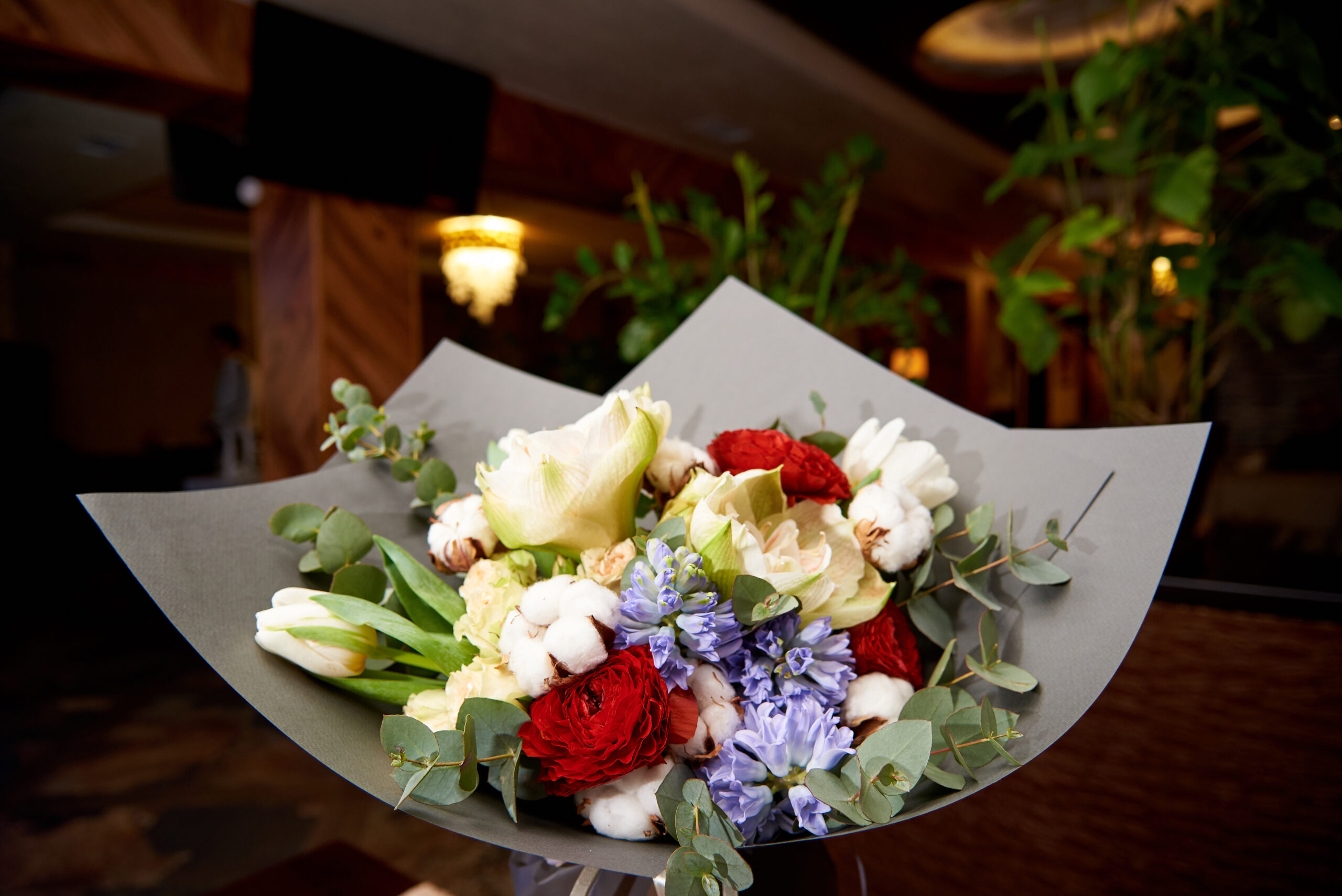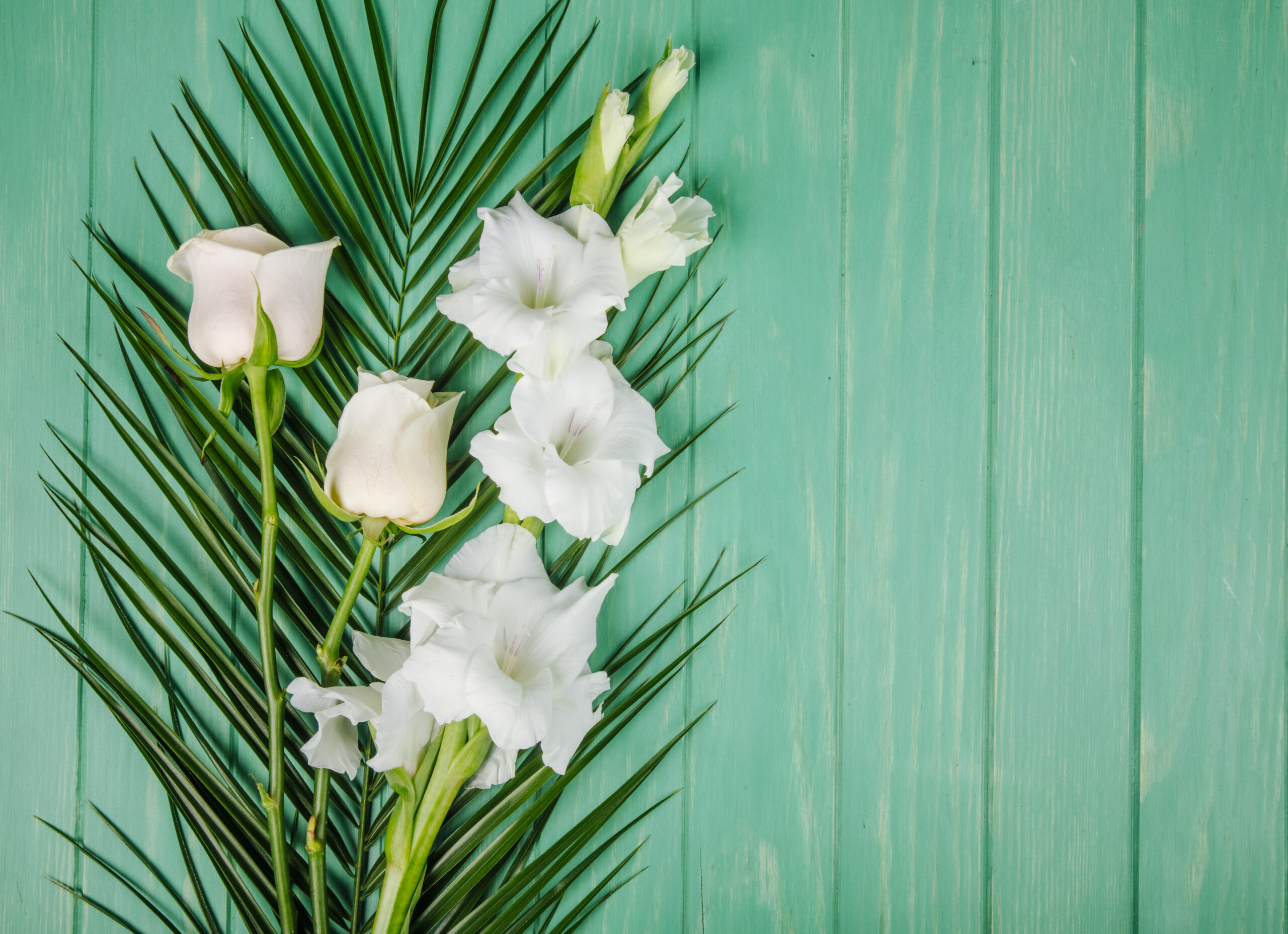
Christmas is oddly hard on flowers. The house is warm and dry, doors open onto freezing air, there is a fruit bowl on every surface and nobody has time to change the vase. A little Christmas flower care goes a long way, though, and the basics take five minutes a day at most. If you have ever wondered how to care for Christmas flowers without fuss, start here.
This guide covers cut bouquets, letterbox flowers that arrive in bud, and the poinsettia plant sitting on the windowsill, whether you bought it yourself or it arrived as a gift. If you are still choosing, see our festive range first.
What you will need
- A clean vase, washed with hot soapy water
- Sharp scissors or secateurs
- Flower food sachets
- Cool, clean tap water
- A spot away from radiators, fires and direct sun

Worth keeping in the drawer
Floralife Cut Flower Food (100 Sachets)
A big box of flower food sachets is handy over Christmas, when you might have several bunches on the go. Fresh food every water change helps blooms last longer.
Shop Now
A reliable everyday vase
Glass Cylinder Vase (20cm)
A simple glass cylinder suits most festive bunches and letterbox bouquets, and it is easy to clean between uses.
Shop NowChristmas flower care step by step
- Unpack quickly. Get flowers out of their box or wrapping within a few hours of arrival, especially if they have been sitting on a cold doorstep.
- Trim the stems. Cut 2 to 3 cm off each stem at an angle using sharp scissors. This opens up the stem so it can drink.
- Strip low leaves. Remove any leaves that would sit below the water line, as they rot and cloud the water.
- Add flower food. Mix a sachet into cool water. It feeds the flowers and slows bacteria.
- Choose the right spot. Keep the vase away from radiators, log burners, draughty doors and the fruit bowl (ripening fruit releases ethylene, which ages flowers faster).
- Refresh every two days. Change the water, rinse the vase, give the stems a fresh snip and add more food.
- Remove fading blooms. Take out any stems that are wilting so they do not hurry the rest along.
Good to know: If your letterbox flowers arrive in tight bud, that is normal. Give them a day or two in a warm (not hot) room and they will open up. Do not panic and put them next to the radiator to speed things along.
Keep flowers fresh in winter: heat, cold and draughts
To keep flowers fresh in winter, think about temperature swings. Cut stems are happiest in a cool room, roughly the temperature you would keep a hallway. A bunch on a sunny windowsill above a radiator will flag in days, while the same bunch on a cool sideboard can last well over a week. Low humidity from central heating dries petals too, so pick a position away from heat sources.
Hallways and porches can swing the other way. An unheated porch on a frosty night can drop close to freezing, which is too much for most cut flowers. Somewhere in between, like a dining room or a bedroom with the radiator turned down, is the sweet spot. If you are hosting, a display on the dinner table is fine for the meal itself; just move it back somewhere cooler afterwards.
Overnight, some people move their vase to the coolest room in the house. It sounds fussy, but it genuinely helps roses and carnations hold on through the holidays. Avoid a spot right next to a door that opens onto icy air, though; sudden blasts can damage petals.
Poinsettia care: how to keep it happy
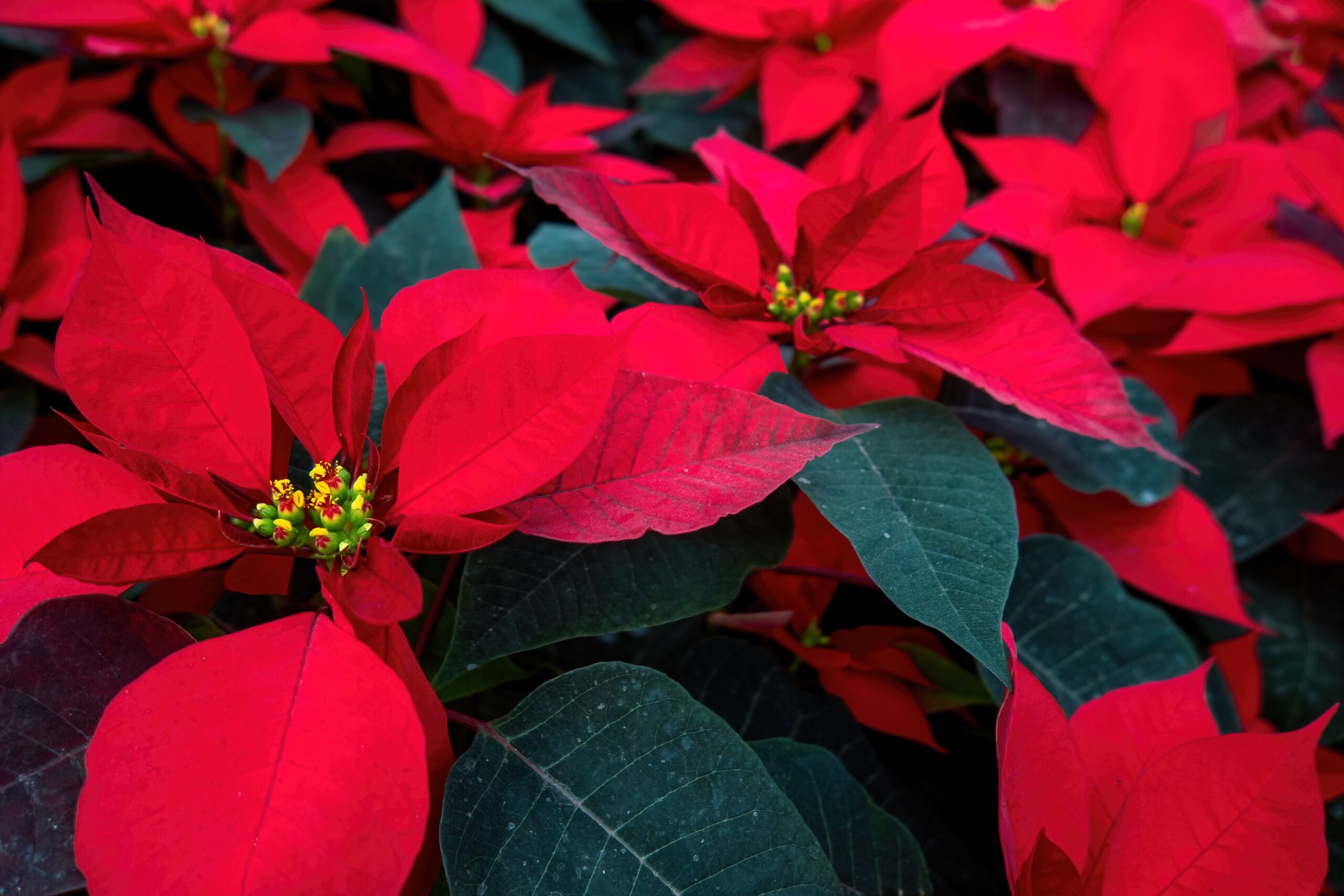
Poinsettias are the plant everyone buys and few keep alive past New Year. Their botanical name is Euphorbia pulcherrima, and they are native to Mexico, which explains a lot: they like steady warmth, decent light and soil that is never waterlogged. The good news is that poinsettia care is simple once you know what they hate: chills, draughts and soggy roots.
A quick fact that helps with care: the red, pink or cream parts are not petals at all. They are coloured leaves called bracts. The true flowers are the tiny green and yellow buds in the centre. When those little flowers drop, the plant is past its peak, so look for a poinsettia with the centres still closed when you buy one.
- Light: bright, indirect light. A windowsill is a good place as long as it is not draughty or freezing at night.
- Temperature: steady warmth, ideally 15 to 22°C. Below about 10°C the leaves start to drop. Avoid radiators and chilly doorways.
- Watering: only when the top of the compost feels dry. Many people water from the bottom by standing the pot in a saucer for 15 minutes, then tipping away what is left. Never leave the container sitting in water.
- Humidity: poinsettias like a little humidity, so a tray of damp pebbles under the pot helps in a centrally heated room.
- Pests: check under the leaves for whitefly, the most common pest on indoor plants at this time of year.
- Getting it home: poinsettias hate cold, so wrap a new plant well before carrying it outside.
The stems contain a milky sap that can irritate skin and, if chewed, cause an upset tummy in pets. Poinsettias are mildly irritant rather than deadly, but keep them out of reach of curious cats and dogs, and wash your hands after pruning.

Festive plant pick
Dark Pink Poinsettia Plant
A deep pink poinsettia makes a nice change from the usual red and suits a more modern Christmas scheme. Follow the watering advice above and it should look good well beyond the holidays.
Shop Now
No-care alternative
Artificial Red Poinsettias in Pots
If you want the look with none of the care, artificial poinsettias are a sensible shortcut. They suit homes with pets, holiday lets and anyone who is away over Christmas.
Shop NowPoinsettia care after Christmas
You do not have to bin it in January. With a little effort a poinsettia can grow on as a green houseplant for years. Keep watering sparingly through late winter, then in spring cut the stems back to about 10cm and repot into a slightly bigger pot of peat-free multipurpose compost with a handful of grit or perlite for drainage. That is the best soil mix for growing poinsettias in pots: free-draining, never heavy and wet.
Feed with a general houseplant fertiliser every few weeks from spring to late summer, and stop once the bracts colour up. It can go outside in a sheltered spot in summer once the risk of frost has passed, but bring it back in by September; it will not survive a UK winter outdoors.
Want red leaves again next year? Poinsettias are short-day plants. From around late September, give the plant about 14 hours of total darkness every night for eight to ten weeks, for example by putting a box over it or moving it into a dark cupboard, with bright light by day. It takes discipline, but with luck the bracts start to colour in time for the next festive season.
Care tips for specific blooms
| Flower | Typical vase life | Care tip |
|---|---|---|
| Roses | About 7 to 10 days | Recut stems every two days and remove outer guard petals if bruised |
| Carnations | Up to two weeks | Cut just above a node and keep cool |
| Lilies | About a week | Remove pollen as flowers open; highly toxic to cats, so avoid in cat homes |
| Amaryllis | Around two weeks | Support tall hollow stems with a cane |
| Eucalyptus and pine | Two weeks or more | Crush or split woody stems lightly to help them drink |
For a wider look at how long blooms should last and why, see our guide to the best letterbox flowers, which also explains what to expect from a bouquet that arrives in bud.
Common mistakes to avoid
- Leaving flowers in the delivery box overnight. Get them into water the same day.
- Topping up instead of changing water. Old water breeds bacteria that block stems.
- Putting a vase on the mantelpiece above a lit fire. Lovely for photos, terrible for flowers.
- Overwatering poinsettias. Soggy roots, along with chills and draughts, are the most common cause of leaves falling.
- Displaying lilies in a home with a cat. All parts of the plant, including pollen and vase water, are highly toxic to cats.
Planning ahead for Christmas deliveries
Good Christmas flower care starts before the bunch arrives. Order for delivery a few days before the big day so the buds have time to open, and remember most couriers do not deliver on Sundays or bank holidays. Our delivery dates page has the latest posting deadlines, and our round-up of festive letterbox bunches has options that fit through the door. Happy arranging.
Frequently asked questions
How to care for Christmas flowers so they last?
Trim the stems, use flower food, change the water every couple of days and keep the vase away from radiators, fires and fruit. A cool spot makes the biggest difference.
How often should you water a poinsettia?
Only when the top of the compost feels dry to the touch, which is often once a week indoors. Let excess drain away and never leave the pot standing in a saucer of water.
Will my poinsettia ever get red leaves again?
It can. From late September, give it around 14 hours of complete darkness each night for eight to ten weeks, with good light by day, and the bracts should colour up again.
Do coffee grounds help poinsettias?
Not really. They add little the plant needs and can hold moisture around the roots. A balanced houseplant feed from spring to summer is a better bet.
Are poinsettias poisonous to cats and dogs?
They are mildly irritant and may cause drooling or an upset stomach if chewed, but they are not considered deadly. Keep them out of reach to be safe.
As an Amazon Associate we earn from qualifying purchases. Prices and delivery options are set by the seller and may change.