So a slim box has just landed on your doormat and there are flowers inside. Lovely. But if you’ve never had them before, it can be a bit of a surprise: the stems are tightly packed, the blooms are still in bud and nothing looks quite like the photo yet. That’s completely normal, and knowing how to arrange letterbox flowers properly is what turns a modest-looking bundle into a vase you’re proud of.
If you’re new to the idea, our explainer on what letterbox flowers are covers how they’re packed and why they travel so well. This guide picks up the moment the box arrives, with step-by-step instructions, a few styling tricks and the mistakes that make bouquets fade early.
Why letterbox flowers need a little extra care
Traditional bouquets are usually arranged by a florist and delivered in water or an aqua pack. A letterbox bouquet is different. To fit through a standard UK letterbox, the flowers are cut in bud, laid flat, wrapped and boxed, often with a small water pouch or wet tissue around the stems. They’ve been out of a vase for a day or two, so the first job is rehydrating them.
The upside is real: buds travel better than open blooms, so you get to watch the flowers open over several days, and the bouquet often lasts longer overall than one that arrives fully open. The trade-off is that a letterbox bouquet is smaller, and you’ll need to do the arranging yourself. That’s the bit we’re here to help with.
What you’ll need
- A clean vase. A straight cylinder or a vase with a slightly narrow neck suits most of these bouquets, as it holds smaller bunches upright.
- Sharp scissors or florist snips. Kitchen scissors work if they’re sharp; blunt blades crush the stems.
- Flower food. Most bouquets include a sachet, but it’s handy to have spares.
- A clean chopping board or sheet of newspaper to work on.
- Lukewarm tap water.
Best for trimming stems
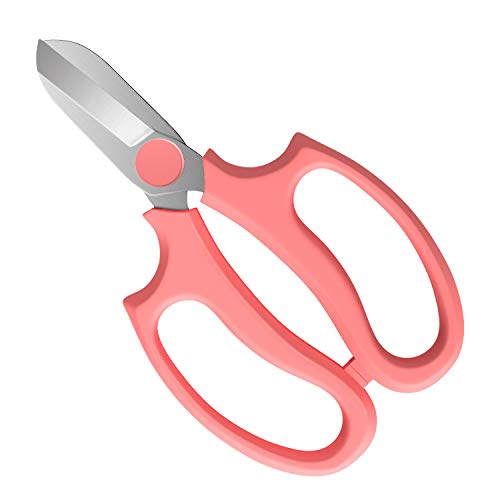
Floral Scissors
A small pair of floral scissors that makes a clean, angled cut without squashing soft rose or tulip stems. Cheap to keep in a drawer and far kinder to your flowers than the kitchen scissors.
Shop Now
Best everyday vase
Glass Cylinder Vase (20cm)
A simple 20cm glass cylinder is the right size for most posted bouquets, holding the stems upright without them flopping to the sides. Worth having in the cupboard if you send or receive flowers often.
Shop NowHow to arrange letterbox flowers: step by step
- Open the box straight away. Don’t leave it on the side until the evening. Lift the bouquet out carefully by the stems rather than the heads.
- Fill your vase first. Clean the vase, fill it about two-thirds with lukewarm water and stir in the flower food so it’s ready.
- Unwrap gently. Remove the outer wrapping, any water pouch and the elastic band or tie. Some bouquets are arranged and tied with a hand-tied spiral; if yours is, you can keep the tie on and simply trim the stems.
- Strip the lower leaves. Remove any foliage that would sit below the waterline. Leaves in water rot quickly and feed bacteria.
- Trim every stem. Cut 2-3cm off each stem at a sharp angle. The angled cut gives the stem more surface to drink through and stops it sitting flat on the bottom of the vase.
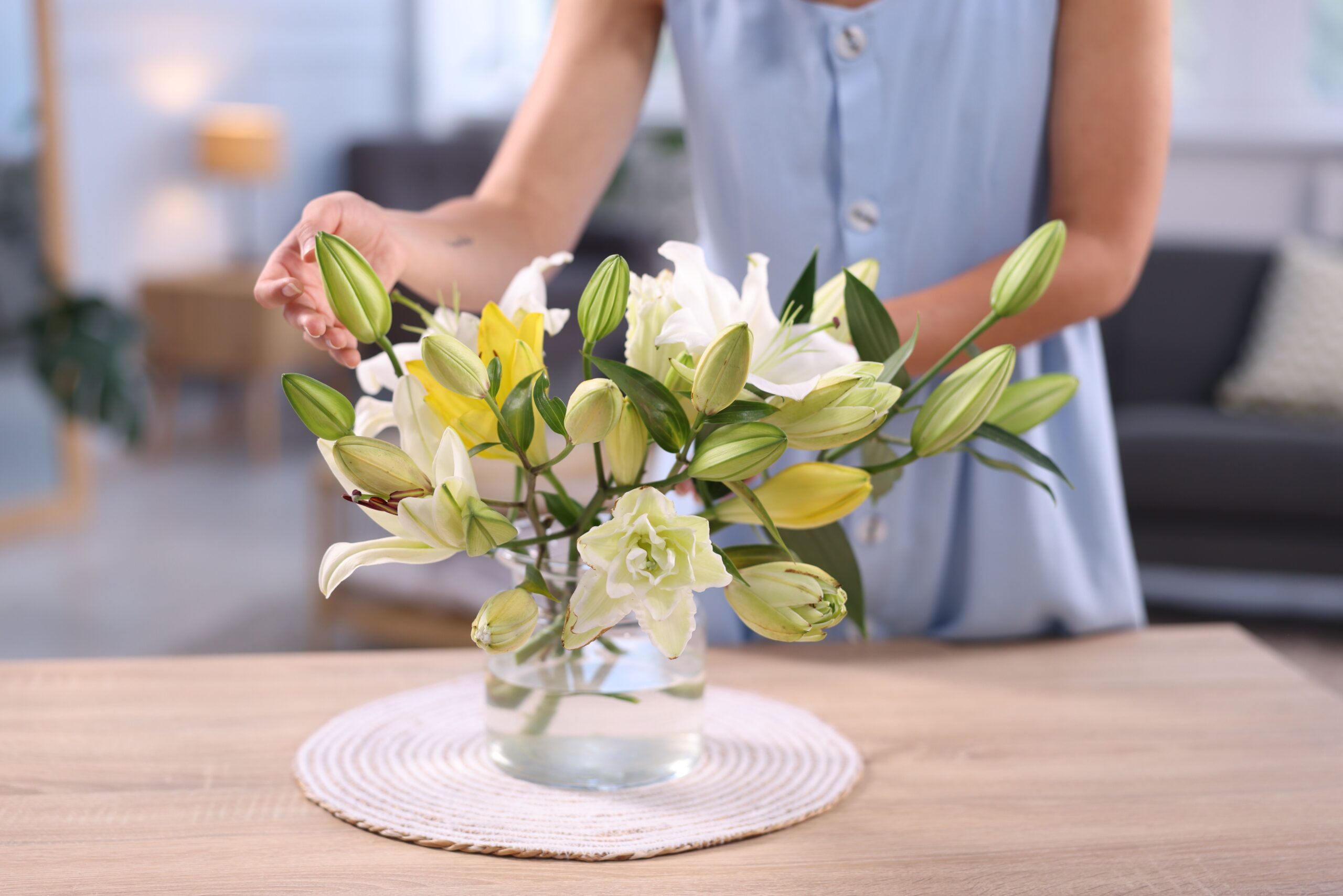
- Arrange in layers. Start with greenery to make a loose framework, add the main flowers (usually roses), then tuck in the fillers. Turn the vase as you go so it looks good from all sides.
- Let it rest somewhere cool. Leave the vase in a cool room, out of direct sun, for a few hours so the stems can drink. Then move it to where you want to enjoy it.
Good to know: If the roses look a bit floppy on arrival, wrap the heads loosely in newspaper to hold them upright and stand them in deep water for an hour or two before arranging. It’s an old florist trick that firms them up nicely.
Styling ideas for a small bouquet
Because these bouquets are compact, a few small styling choices go a long way. Florists often talk about five basic arrangement shapes: round, oval, triangular, vertical and horizontal (low and long). With a posted bunch, round and vertical are the easiest to pull off. Here are some ideas we like.
Go narrow and tall
A narrow vase makes a small bouquet look generous. If yours is a mixed bunch, cut the main flowers slightly taller than the greenery so the heads sit above the leaves rather than getting lost.
Split it up
If the bouquet has lots of different stems, try splitting it across two or three smaller vases or jam jars. A couple of roses on the bedside table and the rest on the kitchen table often looks better than one slightly sparse vase.
Use a wide, low vase for open blooms
Once roses open fully after a few days, you can re-cut them shorter and move them to a lower, wider vase. Short stems drink more easily, so this also helps them last a few days longer.

Best for shorter stems
Wide Ribbed Glass Vase
A ribbed glass vase with a wider mouth that suits shorter stems and blousy, fully open roses. Good for the second life of a bouquet once you’ve trimmed it down.
Shop NowArranging them for a festive look
Getting flowers through the door at Christmas? Add a few sprigs of something from the garden, like a little rosemary, eucalyptus or a fir offcut from the tree, to make them feel properly seasonal. A red ribbon tied around the vase is an easy finishing touch. Our guide to red Christmas flowers has more ideas for festive colours, and the Christmas flower care guide explains how to keep blooms going with the heating on full blast.

Easy to arrange
Mixed Roses Letterbox Flowers
A pretty mix of roses in different shades that arranges easily into a full-looking vase. A nice choice to send if you’re not sure of someone’s favourite colour.
Shop NowWhat types of flowers suit letterbox delivery?
Not every bloom copes with a day or two in a box, so sellers lean on tough, long-lasting stems. Roses, carnations, alstroemeria, chrysanthemums, gypsophila and eucalyptus all travel well and open happily once they’re back in water. Lilies are sometimes sent in tight bud too, but every part of a lily is highly toxic to cats, so think twice before choosing them for a cat owner. Spring brings tulips and daffodils into the mix; just remember that daffodil sap shortens the life of other cut flowers, so condition them in a separate jug overnight first.
As for occasions, a letterbox flower gift works for almost anything: birthdays, thank-yous, Mother’s Day, a new job or just because. It’s a lovely surprise when nobody has to wait in for a courier, and the recipient doesn’t need to worry about a missed-delivery card. If you want a big, luxury flower arrangement for a special anniversary, a traditional hand-tied flower delivery is the better choice instead. When ordering, the best delivery service is simply the one that suits your needs: look for clear dispatch days, tracked delivery, a freshness promise and recent reviews that mention the condition the flowers arrived in.
Caring for your bouquet after day one
Knowing how to arrange letterbox flowers is only half the story. A few minutes every couple of days keeps the bouquet looking fresh for longer.
| When | What to do | Why it helps |
|---|---|---|
| Day 1 | Unbox, trim, add flower food and arrange | Rehydrates stems after travelling |
| Day 2-3 | Top up water and check for opening buds | Opening blooms drink a lot |
| Every 2 days | Change water and re-trim 1cm off stems | Stops bacteria blocking the stems |
| As needed | Remove any wilted flowers or brown leaves | Keeps the rest of the bouquet fresh |
| End of week | Re-cut shorter and move to a smaller vase | Gives open blooms a few extra days |

Best flower food
Floralife Cut Flower Food (100 Sachets)
A big pack of cut flower food sachets, so you can refresh the water properly every time rather than just topping it up. Lasts ages if you buy flowers regularly.
Shop NowCommon mistakes to avoid
- Leaving the box unopened. Every hour out of water counts, so open it as soon as you can.
- Skipping the trim. Stem ends seal over in transit. Without a fresh cut they can’t drink properly.
- Putting them near heat. Radiators, sunny windowsills and the top of the oven all shorten vase life.
- Expecting instant blooms. Posted bunches are designed to open over a few days. Give them time.
- Using a huge vase. A wide vase makes a compact bouquet look sparse and lets stems slump.
If you’re thinking of sending some yourself, our pick of the best letterbox flowers in the UK is a good place to start, or browse the full range of letterbox bouquets. You’ll find more vases and flower food in our vases and flower care section.
Frequently asked questions
How do letterbox flowers stay fresh during delivery?
They’re cut and packed in bud, with a water pouch or damp wrap around the stems, and they’re usually delivered within a day or two of packing. Buds use far less water than open blooms, so they arrive in good condition and open over two to four days once they’re in fresh water.
How do you revive letterbox flowers that look droopy?
Re-cut the stems at an angle, strip low leaves and stand them in deep, cool water with flower food for a couple of hours. Wrapping rose heads in newspaper while they drink helps them stand upright.
How long do letterbox flowers last?
With fresh water every couple of days and a cool spot, most letterbox bouquets last around a week, and roses can go longer. Carnations often last even longer. If yours includes lilies, keep it well away from cats, as every part of the lily is highly toxic to them.
What size vase do I need?
A vase around 20cm tall with a fairly narrow opening suits most posted bouquets. It holds the stems upright and makes a compact bunch look fuller.
What are the 5 basic types of flower arrangements?
Florists usually group them into round, oval, triangular, vertical and horizontal shapes. For a small bouquet that’s come through the post, a simple round or vertical shape in a narrow vase works best.
As an Amazon Associate we earn from qualifying purchases. Prices and delivery options are set by the seller and may change.